
No fireworks, Tibetan ice land art

མ་ཎི་གསེར་ཟམ་འཛུགས་པ། "Golden Bridge" Ceremony
བོད་ཀྱི་སྲོལ་རྒྱུན་དུ་ས་གཞིའི་སྒྱུ་རྩལ་ཇེ་སྙེད་ཅིག་མཆིས་ལ།
དེ་རྣམས་ཀྱང་རང་ཆེ་རང་བསྟོད་མ་ཡིན་པར་
གཞན་ཕན་དགེ་ལས་ཀྱི་དམིགས་ཡུལ་ཡིན།
Traditional Tibetan culture also has "land art".
Its underlying meaning is not to showcase oneself,
but to benefit others.
མཚོ་སྔོན་ཞིང་ཆེན་སྒ་སྐྱེ་རྒུ་མདོ་ཁྲི་འདུ་རྫོང་སྒ་སྟོད་ཇོ་བོ་གནས་རིའི་འབྲི་ཆུའི་ངོགས་སུ། མིང་དུ་གྲགས་ལ་ཡིད་དུ་འོང་བའི་འཁྱག་རོམ་སྒྱུ་རྩལ་ཏེ་མ་ཎི་གསེར་ཟམ་ཞེས་པའི་ཆོ་ག་ཞིག་ཡོད། དེ་ཡང་ཡུལ་མི་ཚོས་དར་ཆགས་པའི་ཆུ་ངོས་སུ་བྱེ་མའི་རི་མོ་བྲིས་ཏེ་འཛམ་གླིང་ཞི་བདེ་ལྟ་བུའི་སྨོན་ལམ་རླབས་ཆེན་འདེབས་སྲོལ་ཡོད་པ་མ་ཟད། སྲོལ་རྒྱུན་དེ་ད་བར་ལོ་སྟོང་ཕྲག་གི་ལོ་རྒྱུས་ལྡན།
Near the sacred mountain of Gaduo Juewu in Chengduo County, Yushu Prefecture, Qinghai Province, along the Tongtian River (the source of the Yangtze River), there exists a traditional Tibetan ritual of "painting" on ice, known as the "Golden Bridge." Devout Tibetans use the frozen river surface as "paper" and golden sand and stones as "ink" to create enormous祈福 "paintings" on the winter ice. This custom has been preserved for nearly a millennium.

མི་རྣམས་ཀྱིས་གསེར་ཟམ་འཛུགས་བཞིན་པ།
People are creating the "Golden Bridge."
གསེར་ཟམ་ཟེར་དོན་ནི། འབྲི་ཆུའི་བྱེ་མ་གསེར་གྱི་དཔེ་རུ་བཀོད་ནས་གང་ཉིད་ཡུལ་ལུང་ཕན་ཚུན་སྦྲེལ་བྱེད་ཀྱི་ཟམ་པའམ། འགྲོ་དྲུག་སེམས་ཅན་བདེ་ཆེན་ཞིང་ལ་འདྲེན་བྱེད་ཀྱི་ལམ་ཆེན་ལྟར་དུ་འདོད།
This ritual is called the "Golden Bridge" because the Tongtian River is also known as the "Golden River" in Tibetan. The golden sand painting connects the two banks like a massive bridge, believed to transport humans to the blissful other shore.

ལྗོངས་ཡོངས་ཀྱི་བཀོད་པ།
Aerial view
ནམ་ཟླ་དཔྱིད་ཀ་ཤར་ཚེ། གསེར་གྱི་བྱེ་མའི་རི་མོ་རྣམས་འཁྱག་རོམ་བཞུར་བ་དང་ལྷན་དུ་ཡུལ་ལུང་གྲངས་མེད་བརྒལ་ནས་ས་ཕྱོགས་གང་སར་ཕེབས་ཤིང་། དེ་ཡི་བབས་ཤུལ་དུ་གང་གིས་མཚོན་པའི་སྨོན་ལམ་དང་བྱིན་རླབས་ཀྱང་འཛམ་གླིང་ཁྱོན་ཡོངས་ལ་དར་ཞིང་རྒྱས་པར་བྱེད་དོ། །
Whenever spring arrives, the massive golden sand patterns, melting with the river ice, carry prayers downstream, flowing through the rivers and streams, transmitting these blessings to all life across the land.

འཛམ་གླིང་ཞི་བདེ།
World peace
The Museum of Stones
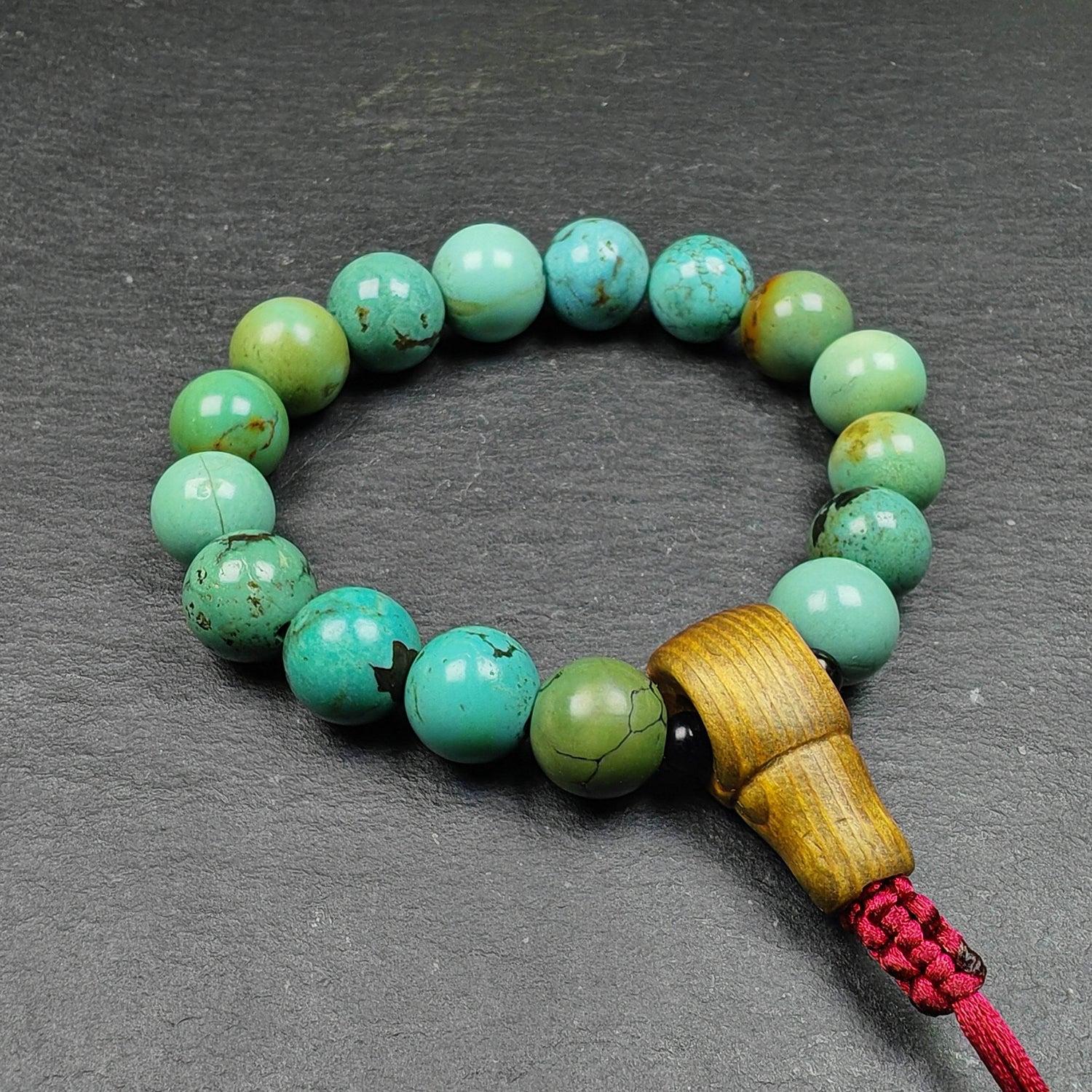
རྡོ་ནི་བོད་ཀྱི་སྤྱི་ཚོགས་འཚོ་བའི་ཁྲོད་དུ་རིག་གནས་ཀྱི་མཚོན་བྱེད་གལ་ཆེན་ཞིག་ཏུ་གྱུར་ཡོད་པར་མ་ཟད། སྤྱོད་སྒོ་ཡང་སྣ་མང་ཕུན་སུམ་ཚོགས་པ་ཞིག་ཡོད་པ་དང་། སྐབས་བབས་ཀྱི་རིག་གནས་རྒྱབ་ལྗོངས་དང་ལོ་རྒྱུས། ཁོར་ཡུག་སོགས་ཡུལ་དུས་ཀྱི་རྐྱེན་ཐ་དད་ཀྱི་དབང་དུ་སོང་ནའང་། རྡོ་ཡི་དངོས་ཡོད་སྤྱོད་སྒོ་ནི་དུས་རྣམ་ཀུན་ཏུ་འགྱུར་བ་མེད་པར་ཟད། དེ་ཡང་བོད་ཀྱི་ལྷ་རབས་དད་མོས་དང་དམངས་སྲོལ་རིག་གནས་ལས། རྡོ་ནི་ཤེས་ཚོར་དང་ལྡན་པའི་ནུས་ཅན་གྱི་སྣང་བརྙན་ཞིག་ཏུ་བློས་བཟོས་ཏེ། མི་ཡུ་ལུས་སེམས་ཀྱི་བདེ་བ་ལ་སྙོམས་སྒྲིག་གི་ཕན་ཡོན་དང་ལྡན་པ་ཞིག་ཏུ་འདོད་ཡོད་པ་རེད། དཔེར་ན། ཡོངས་གྲགས་སུ་གཡུ་སྔོན་པོ་ལ་བླ་རྡོ་ཞེས་བླ་ཡི་གནས་ཡུལ་དུ་བཞེད་ཅིང་། དེ་ཉིད་ལུས་ལ་བཏགས་ན་ཚེ་བསྲིང་བ་དང་དཔལ་བསྐྱེད་པའི་ནུས་སྟོབས་དང་ལྡན་པར་ངོས་འཛིན་བྱེད་སྲོལ་ཡོད།
In Tibetan culture, stones hold significant importance. Although their uses and symbolic meanings vary across cultural, historical, and geographical contexts, they are not merely materials for construction and art but also carry the spiritual weight of beliefs, stories, and traditions. In Tibetan mythology and faith, stones are endowed with consciousness and perception, and people describe and imagine living stones. Stones are depicted as capable of moving, communicating, thinking, and possessing supernatural abilities, with energetic properties. Specific stones are used to balance and adjust the overall energy field. For example, turquoise—Tibetans believe that turquoise possesses spiritual and auspicious powers, can connect to the soul, and ensures the survival and continuity of an individual’s life. Therefore, they wear stone ornaments to protect themselves from evil and bring good fortune.
The Museum of Stones

བཤམས་སྟོན་ཁང་ནང་ལོགས།
Inside the Stone Museum
རྡོ་བཟོ་རིག་གནས་བཤམས་སྟོན་ཁང་ནི་སྐྱེ་རྒུ་མདོ་ཁྲི་འདུ་རྫོང་ལབ་གྲོང་གི་ལྷ་སའི་ཐང་དུ་ས་ངོས་རྒྱ་ཁྱོན་རྨི་གྲུ་བཞི་མ་430ལོངས་པ་ཞིག་ཡིན། དེ་ཡང་ལབ་གྲོང་དུ་སྨུག་གུ་སྒང་བོན་པོའི་རྡོ་འབུམ་སོགས་ཡོད་པ་ལྟར། གནའ་ནས་ད་བར་འབྲི་ཆུ་རྒྱུད་ཀྱི་བུ་མོ་ལས། ལབ་ཁོག་གི་རྡོ་མཛེས་ཞེས་པའི་གཏམ་དཔེ་ནི་མང་ཚོགས་ཀྱི་ངག་ལ་གོམས་ཡོད།
The Stone Culture Museum is located in the ancient village of Lasitong Village, Labu Township, Chengduo County, Yushu Prefecture, with a total area of approximately 430 square meters. Labu Township preserves the oldest Mugang Bonpo stone mounds in the area, and to this day, the proverb "No girl in the Yak River Valley is as beautiful as the stone tools of Labuku" is still passed down.

བཤམས་སྟོན་ཁང་ནང་ལོགས།
Inside the Stone Museum
དེ་ཡང་ང་ཚོས་རྒྱལ་ནང་གི་བོད་ཡུལ་རྡོ་བཟོ་རིག་གནས་བཤམས་སྟོན་ཁང་ཐོག་མ་དེ་གསར་འཛུགས་བྱས་ཏེ། རྡོ་ཡི་སྒྱུ་རྩལ་དངོས་པོ་རྣམས་ཕྱོགས་གཅིག་ཏུ་ཉར་ཚགས་དང་ཞིབ་འཇུག་བྱས་པ་བརྒྱུད། རིག་གནས་ཡུལ་སྐོར་གྱི་འཛུགས་སྐྲུན་ལ་ཕན་པའི་སྲི་ཞུ་སྒྲུབ་འདོད་ལ། ཡང་སྒོས་འཛམ་གླིང་ཁྱོན་ཡོངས་ཀྱི་རྡོ་ཡི་རིག་གནས་པ་རྣམས་དང་བགྲོ་གླེང་བྱེད་འདོད།

བཤམས་སྟོན་ཁང་ནང་ལོགས།
Inside the Stone Museum
སྤྱིར་ལས་གཞི་འདི་གྲོང་གསེབ་ཀྱི་སྤྱི་ཕན་རིག་གནས་ཞབས་ཞུའི་རྣམ་གྲངས་ཀྱི་ཡ་གྱལ་ཞིག་ཡིན་པའི་ཆ་ནས། ང་ཚོས་གྲོང་ཚོའི་ལོ་རྒྱུས་ཁང་གི་ཡིག་ཚང་ལས་ཁུངས་དང་བཤམས་སྟོན་ཁང་གི་ཆ་རྐྱེན་རྣམས་བེད་སྤྱད་དེ། ཡུལ་གྲུ་འདི་གའི་རིག་གནས་དང་དམངས་སྲོལ། ལོ་རྒྱུས་སོགས་རྒྱབ་རྟེན་དུ་ཉར་ནས་གནའ་བོའི་དྲན་པ་སྣུམ་པོ་སླར་གསོ་བྱེད་པ་དང་ཆབ་ཅིག འབྱུང་འགྱུར་ལ་ཁ་ཕྱོགས་ནས་གསར་པ་སྐོར་ཞིག་ཀྱང་གསར་གཏོད་བྱེད་འཆར་ཡོད། དེ་ཡང་ལབ་གྲོང་གི་ཐུན་མིན་སྐྱེ་ཁམས་ཁོར་ཡུག་དང་ཕུན་སུམ་ཚོགས་པའི་རིག་གནས་ཁ་དབུགས་སྟུག་པོའི་མཐུན་རྐྱེན་ལས། ཁྱད་ལྡན་རིག་གནས་ཤུལ་བཞག་མང་པོ་རང་ཆས་སུ་ཡོད་པ་བཞིན། ཡུལ་གྱི་དཔའ་བོ་དཔའ་མོ་ཚོའི་གསོན་ཉམས་དོད་པའི་ཞབས་བྲོ་དང་། ལབ་གྲོང་གི་སྒོར་གཞས་སོགས་ཀྱང་ཡུལ་སྐོར་བ་ཚོའི་མོས་པ་ཕྱོགས་ཡུལ་གཙོ་བོར་འགྱུར་ཡོད།
As a component of a typical rural public cultural service system, the village history hall preserves local culture, historical documents, and folk customs, not only safeguarding rural memories but also promoting cultural heritage and development. Labu Township, with its unique ecology and rich cultural and historical resources, has formed an attractive cultural brand. Representative elements such as the primitive ecological song and dance "Bawu Bamu" and intangible cultural heritage like the "Labu Guozhuang" provide tourists with an immersive cultural experience. These activities not only showcase the daily life of local people but also reflect a rich ethnic cultural tradition.

བཤམས་སྟོན་ཁང་ནང་ལོགས།
Inside the Stone Museum