
The journey of Padmasambhava to Tibet ▎Exploring the Primitive Villages of Muscatong
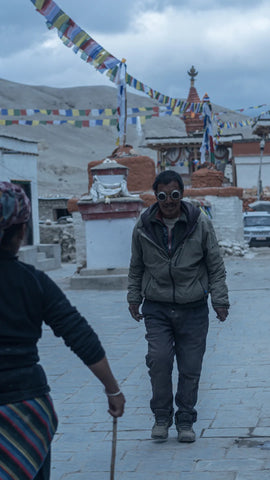
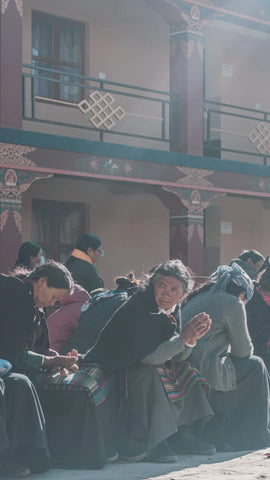
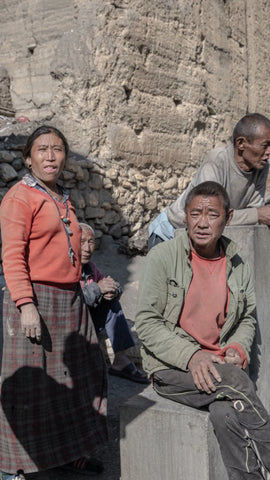
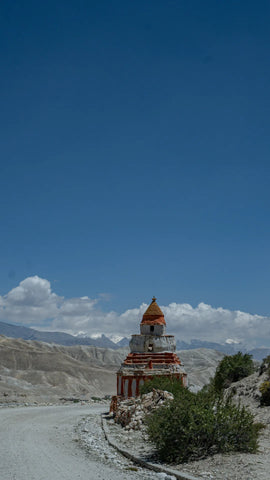

Kagbeni——Gateways along the ancient salt transport route
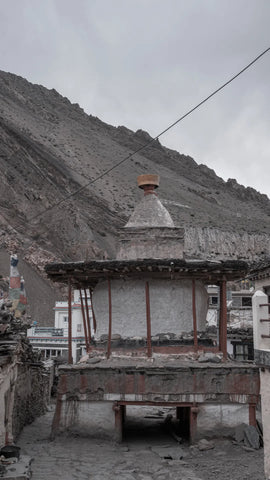
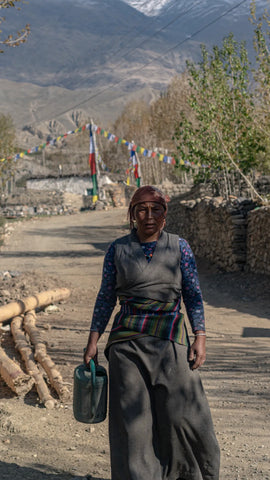
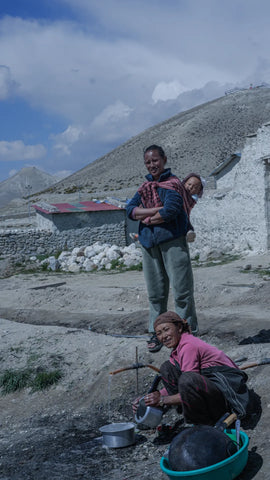
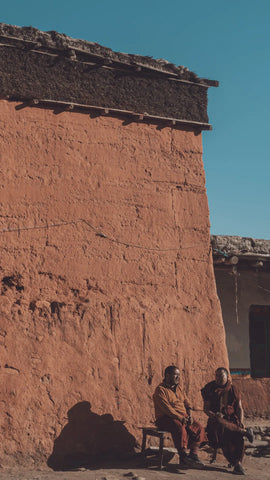
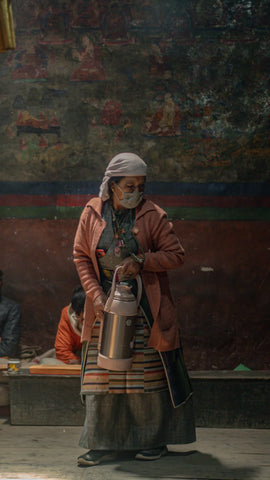
The village still preserves ancient fortresses that were built along the early trade routes, with mud-brick houses, dark alleys, and unique chortens. The local residents still live in these ancient dwellings to this day.
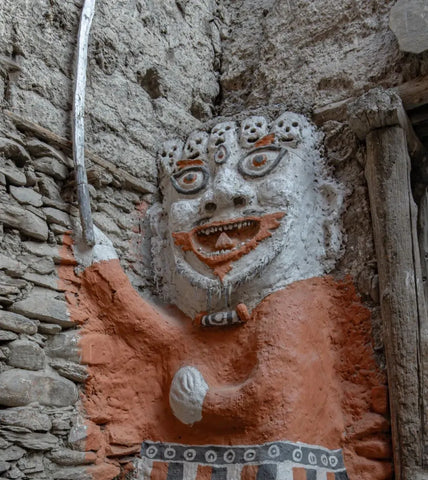
Kagbeni still retains its fortress town characteristics and has a deep cultural heritage. The town played a very important role during the prosperous "salt trade" era between Tibet and Nepal.

Tangbei Village——Picturesque village
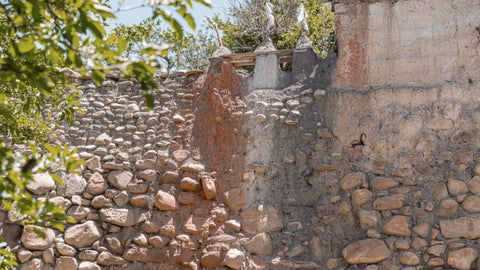
The Tangbetani people are described as the indigenous people of Nepal, residing in the Balhagoon area of Mustang. Their appearance is similar to the Loba people, and the area is heavily influenced by Tibetan culture. However, with most of the villagers moving to the more comfortable Pokhara to live, the village has become deserted, with walls painted in three different colors, giving it a picturesque feel reminiscent of scenes in the book "Along the Himalayas".
The residents here have their own unique language called "Serke", meaning golden language. They have their own distinctive clothing and ornaments. They also have traditional cultural songs that they sing during festivals, dancing along to the melodies of the songs.
Chuksang——Neglected cultural treasure trove
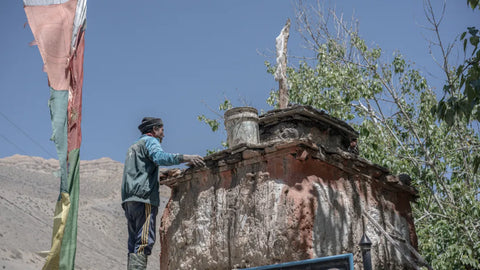
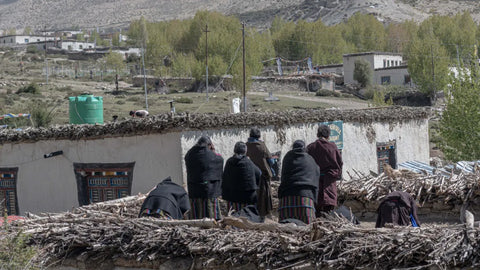
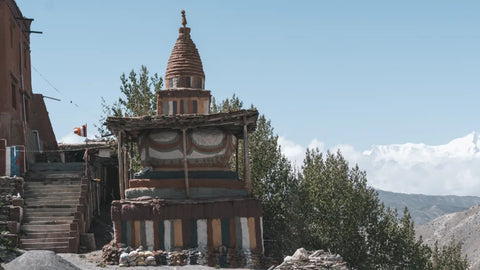
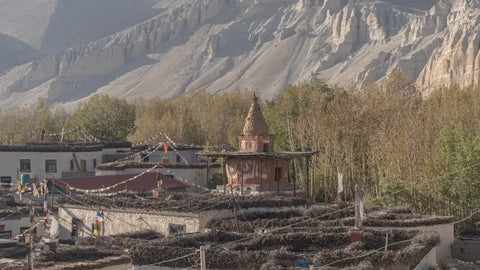
Residents repairing the Buddhist pagoda.
Travelers pass by in a hurry, with very few people exploring the surrounding areas. Just a short distance from the village, there are two ancient temples, one of which is located just above the check point, dating back to the 11th and 12th centuries.
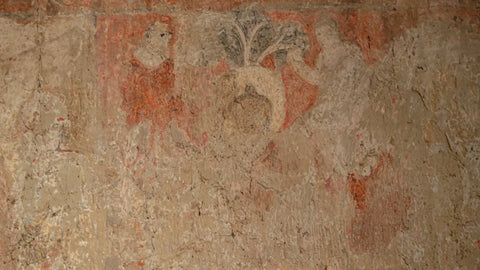

Tetang Village —— Ancient castle built with mud bricks
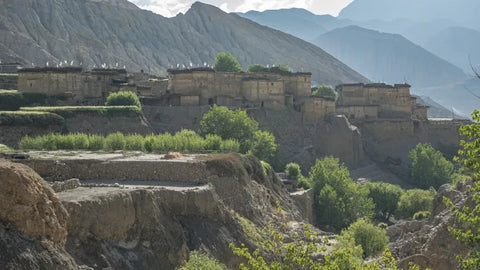
The mud fortress of Tetang near Chuksang Village.
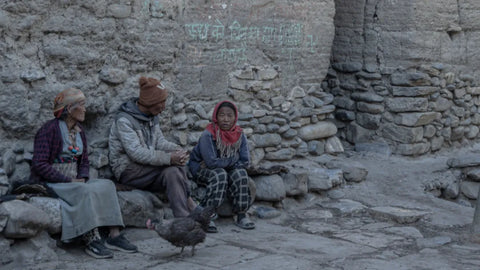
In the heart of the mud fortress village, hidden away from the main road, the village appears even more primitive compared to the surrounding settlements. Local residents leisurely play traditional dice games in the village, chatting about their daily lives in the narrow alleys. The village is divided in half by a massive cliff river, and the winding village roads often lead to getting lost.
Chungsicave —— Padmasambhava's place of practice
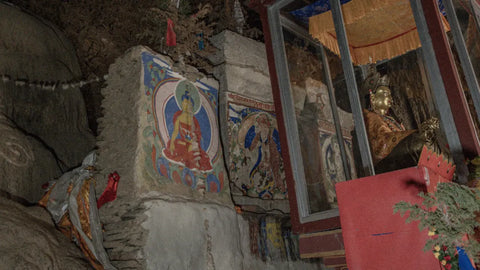
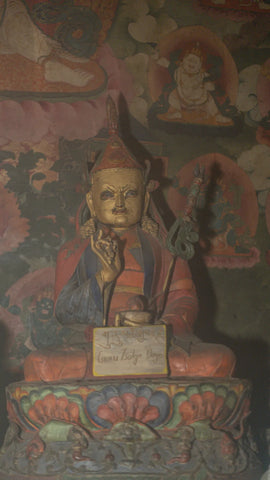
Statues and murals of Padmasambhava inside the cave where he practiced meditation.
This place had been a gathering place for many practitioners long before the renowned master Lianchi departed for Tubo. It is also a place where the Hindu deity Shiva passed through on his way to Mount Kailash for pilgrimage.
I first heard of this place because of an elderly Nyingma practitioner who told me one day that he was going to retreat in a cave in Mustang.
Ghemi —— Enter the beginning of Lianshi's demon-slaying.
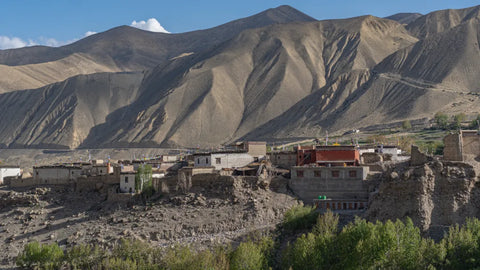
The village is located along a river, with clean and clear water. There are rarely any monks present in the monastery within the village, but it still retains some century-old restored wall paintings and early clay sculptures. When the monks are away, they will entrust the key to nearby villagers.
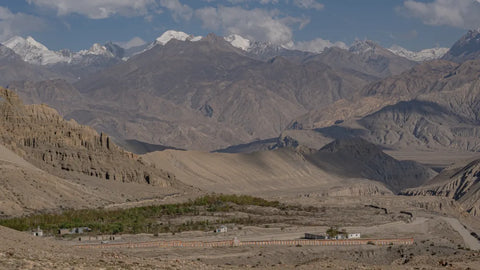
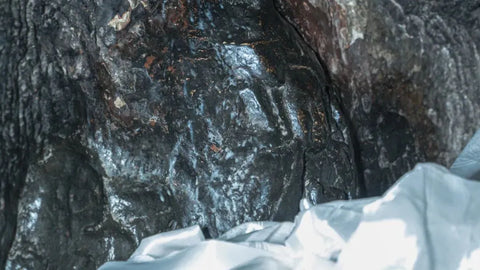
Legend has it that this area is also associated with Padmasambhava subduing demons, where he buried the demon's intestines here and colored the Mani stones on the wall. This is an important sacred site for pilgrims along the Upper Mustang trek.
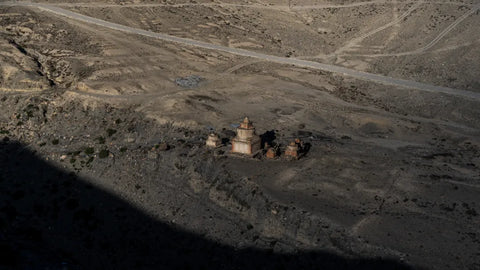
Dhakmar —— The land stained red with the blood of demons.
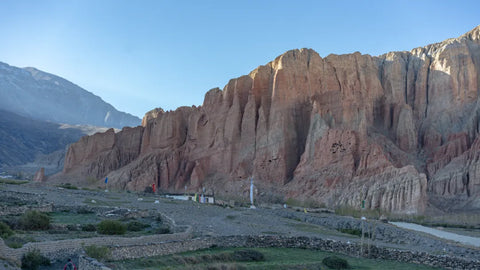
There is a village path from Ghemi Village that leads to Dhakmar Village, but this road will bypass the opportunity to see the 300-meter-long Mani stone wall up close, and can only be viewed from afar at the mountainside. From the bend at the mountainside, you can see a red valley in the distance. Legend has it that the red color here is due to the blood of demons spilled on the cliffs.
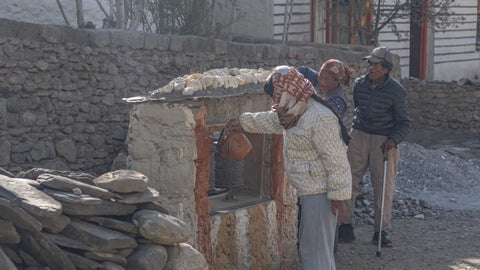
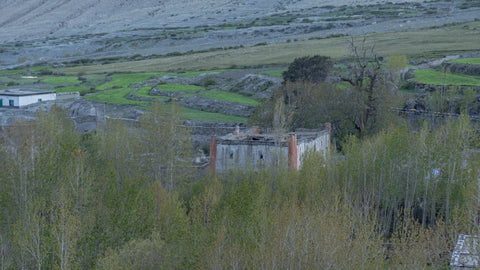
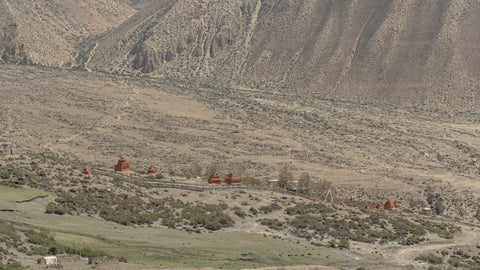
Ghar Gompa, also known as Lo Gyaker, is the oldest temple in the Mustang region, founded by the Great Master Padmasambhava in the 8th century as a Nyingma monastery. Legend has it that when the Sangey Monastery in Tibet was being constructed, it was repeatedly destroyed by demons, prompting Padmasambhava to vanquish the demons.
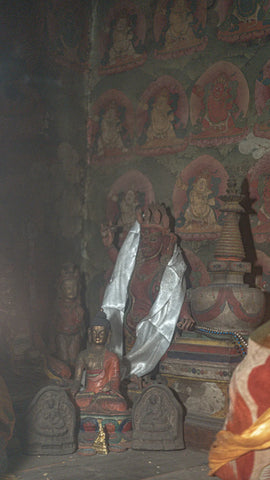
The location of Ghar Temple is believed to be the very place where the heart of the demon was discarded, and according to a legend, a temple had to be built here first before Sangye Monastery could be constructed. Therefore, many people believe that this temple predates Sangye Monastery.

Tsarang ——The ancient capital of the Kingdom of Luo.
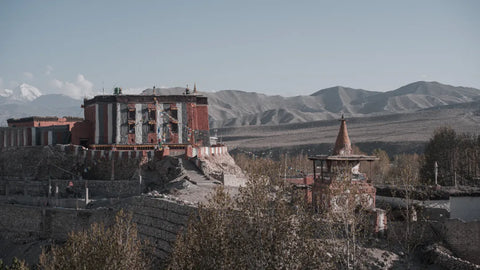
Tsarang is the second largest settlement in Upper Mustang, second only to the capital Lo Manthang. It is also the former capital of the Kingdom of Lo, where the old royal palace still stands, preserving statues of Guanyin from around the 7th century, as well as armor from the royal dynasty period, bones and utensils used for worship, and other ancient artifacts.
From the top of the palace, one can overlook the entire Tsarang. The most prominent structure is a monastery built in the 16th century, with a unique Sakya sect three-color exterior wall style, and in front of the monastery lies the remains of an ancient stupa.
 ↑ Back to Guide
You May Also Like
- Choosing a selection results in a full page refresh.
- Opens in a new window.